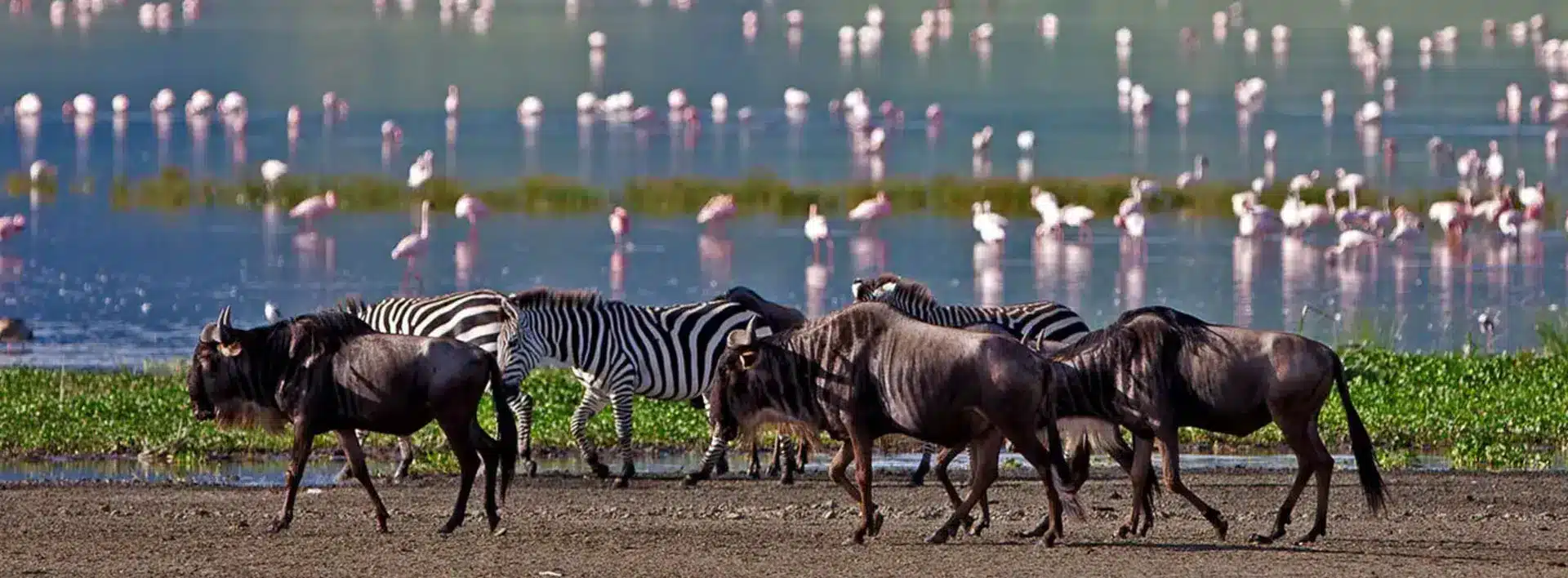
Lake Manyara National Park is one of Tanzania’s most diverse and scenic safari destinations. Nestled at the base of the Great Rift Valley escarpment, the park is known for its striking landscapes that range from lush groundwater forests and open grasslands to acacia woodlands and the shimmering alkaline Lake Manyara itself.
What Makes It Special
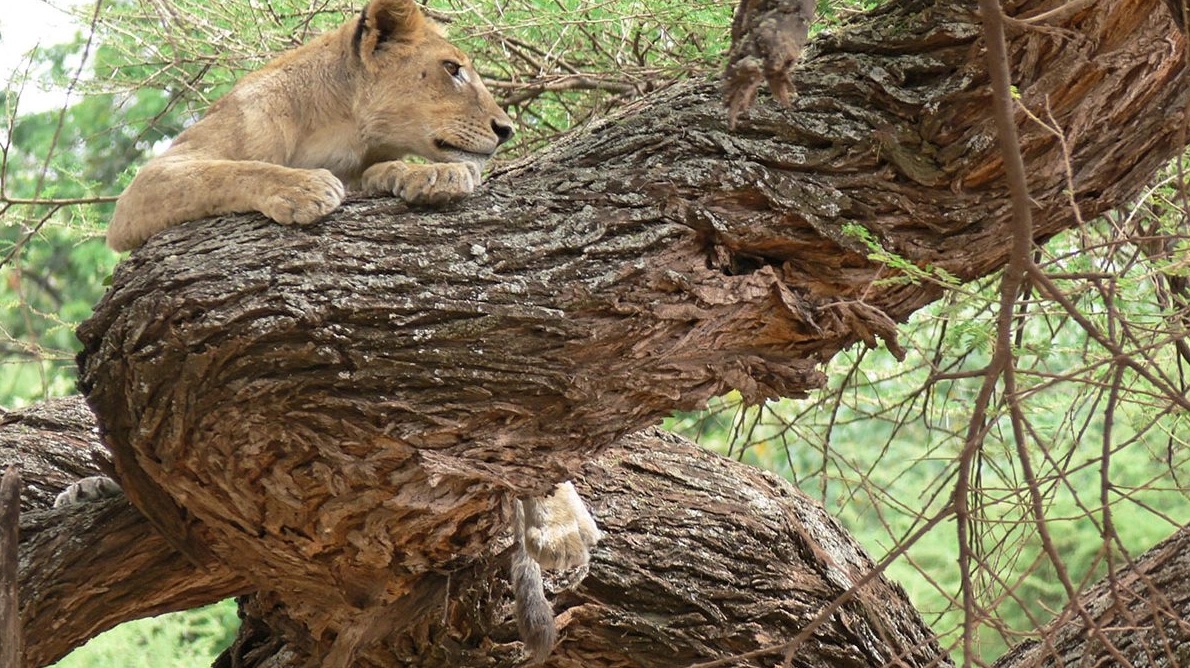
Tree-Climbing Lions: Lake Manyara is one of the few places in Africa where lions have adapted to climbing trees. Spotting these iconic predators lounging on branches is a rare and memorable experience.
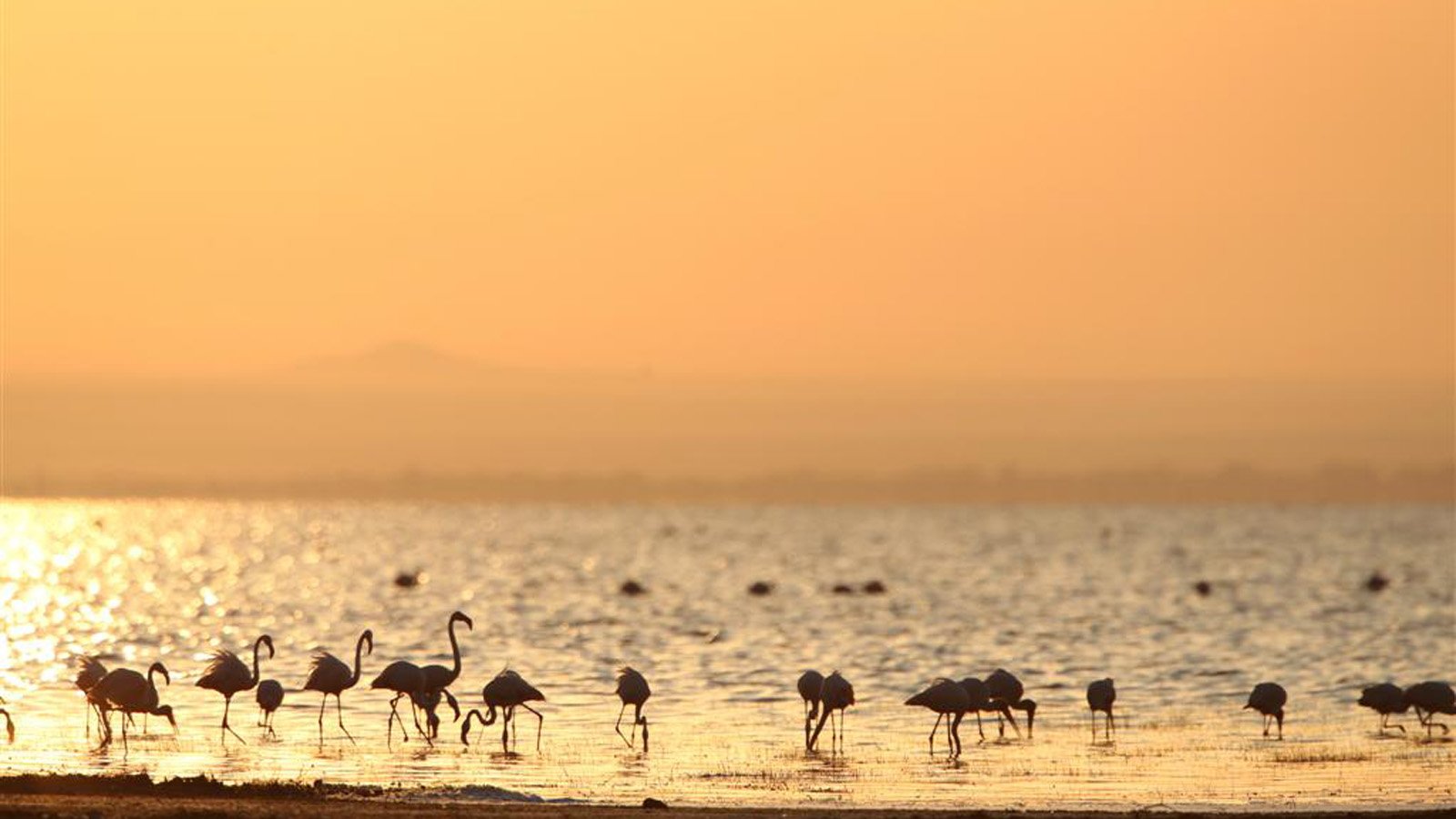
Birdwatcher’s Paradise: The lake attracts over 400 bird species, including flamingos, pelicans, storks, and cormorants, making it a dream for bird enthusiasts.
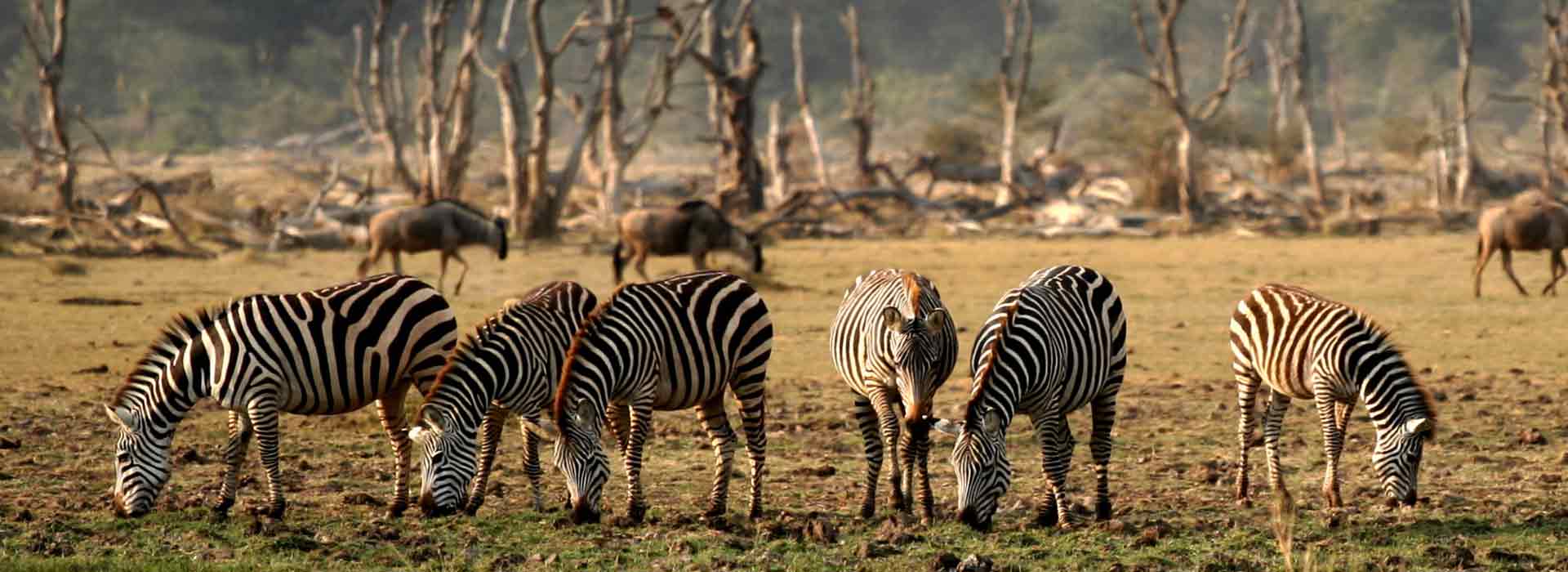
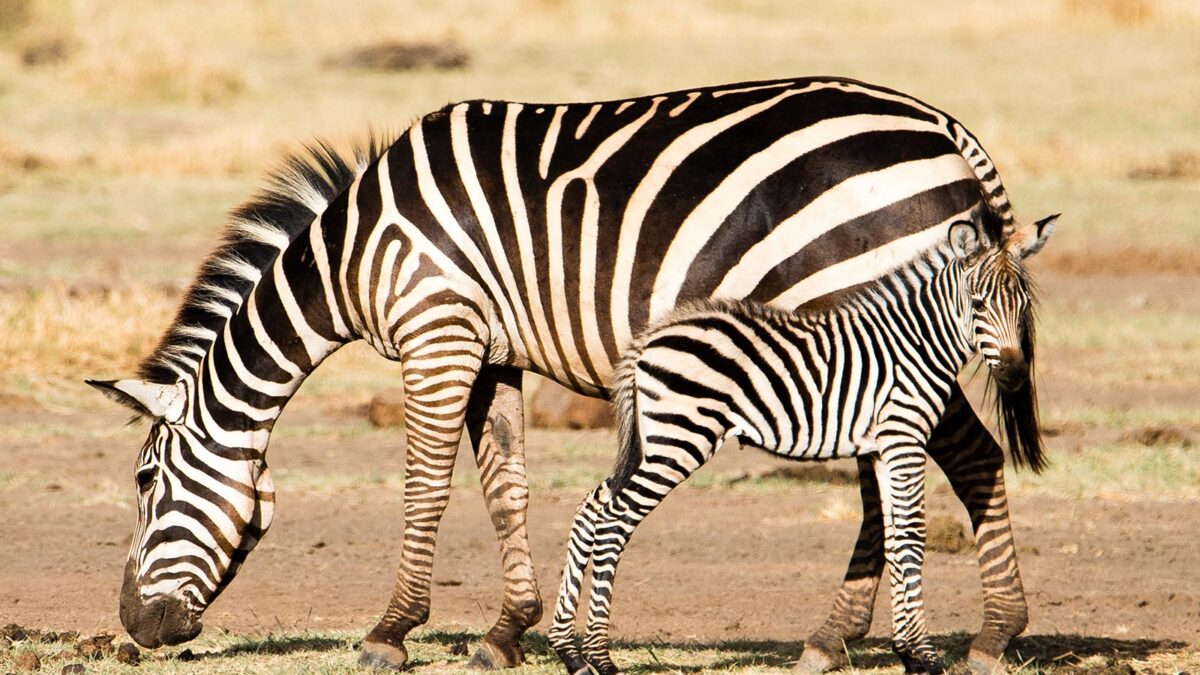
Diverse Wildlife: Elephants, giraffes, zebras, wildebeests, hippos, and troops of baboons are commonly seen. The park is also home to smaller antelope species and an abundance of monkeys.
Scenic Variety: From the groundwater forest with its fig and mahogany trees to the expansive lake shore, the park offers dramatic scenery in a compact area.
Best Time to Visit
Dry Season (June to October): Wildlife is easier to spot as animals gather around water sources.
Wet Season (November to May): The park is lush and green, birdlife is at its peak, and newborn animals can be seen. Flamingos are often present on the lake during this time.
Activities
Game Drives: The main way to explore the park and see its wildlife.
Bird Watching: A highlight for ornithologists and casual bird lovers alike.
Canoeing (seasonal): Available when water levels are high, offering a unique way to experience the lake.
Cultural Tours: Visits to nearby villages like Mto wa Mbu provide a cultural dimension to your safari.